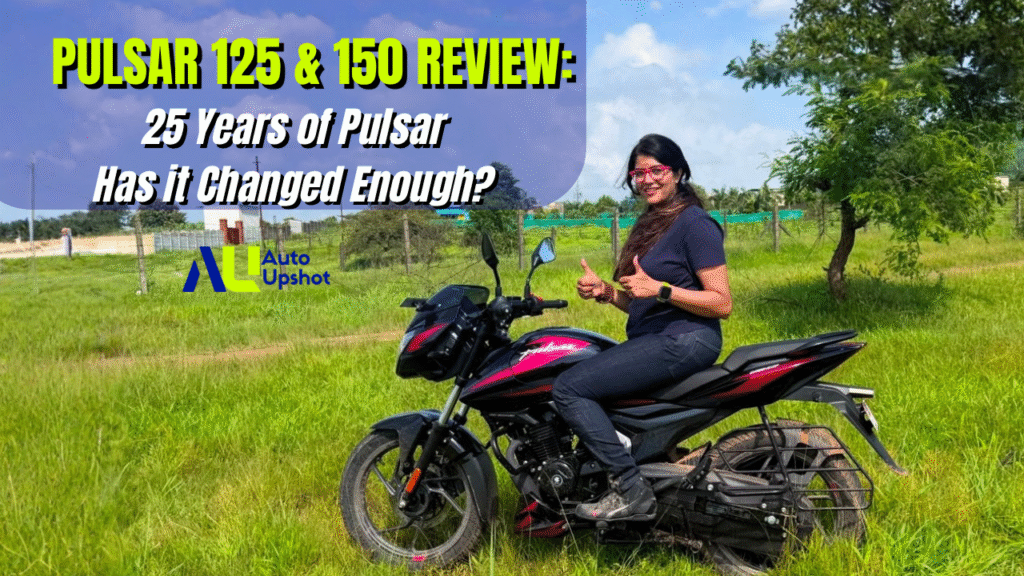

The Pulsar name has been around for 25 years, and for many Indian riders, it is one of those bikes that brings back a lot of memories.
Now, Bajaj has given the Pulsar 150 and Pulsar 125 a major update while trying to keep the character that made these motorcycles popular in the first place.
The New Pulsar 150 and Pulsar 125 get a new engine and gearbox, a new frame, monoshock suspension, a 5-inch TFT console, ride modes and Crawl Tech. On paper, this is a much bigger update than a simple design refresh.
So, after 25 years of the Pulsar story, does this new generation actually feel like a proper step forward?
New Pulsar 150 and Pulsar 125: What’s New?
The biggest change is not just what you can see. Bajaj has worked on the mechanical package as well.
The Pulsar 150 now gets a 149.5cc engine making 14 PS and 13.7 Nm, while the Pulsar 125 uses a 124.58cc engine producing 12 PS and 11 Nm.
The improved power-to-weight ratio and revised gearbox are aimed at quicker acceleration and stronger low-speed performance.
The new motorcycles also get a diamond-type frame and monoshock suspension. The frame is designed for better stiffness, while the nitrogen gas-charged monoshock is aimed at improving stability and cornering.
And then there is the technology.
Technology
One of the biggest additions is the new 5-inch TFT console.
It supports Google Maps mirroring, navigation, call and message alerts and music controls. You can also store important documents such as your vehicle RC and insurance on the console.
The higher variants also get Bluetooth and, depending on the version, Wi-Fi connectivity with Google Maps mirroring.
This is one area where the New Pulsar 150 and Pulsar 125 feel considerably more modern than before.
Quick Specifications
| Specification | Pulsar 125 | Pulsar 150 |
|---|---|---|
| Engine | 124.58cc | 149.5cc |
| Power | 12 PS | 14 PS |
| Torque | 11 Nm | 13.7 Nm |
| Front Brake | 260 mm Disc | 260 mm Disc |
| Rear Brake | 130 mm Drum | 130 mm Drum |
| Front Suspension | Telescopic | Telescopic |
| Rear Suspension | Monoshock | Monoshock |
| Instrument Console | 5-inch TFT / LCD* | 5-inch TFT / LCD* |
| Ride Modes | Road, Rain, Sport* | Road, Rain, Sport* |
| Starting System | ISG + Kick* | ISG + Kick* |
| USB | Type C* | Type C* |
*Equipment varies depending on the variant.
The equipment varies across variants, particularly in terms of the console, connectivity, brakes and other features.
Ride Modes and Crawl Tech
This is probably one of the more interesting additions to the new Pulsars.
The bikes get three ride modes called Road, Rain and Sport on applicable variants.
Bajaj has also introduced Crawl Tech, which is designed to make low-speed riding in traffic easier and give the rider more control.
For a motorcycle that will spend a lot of time in Indian city traffic, Crawl Tech could actually be more useful in everyday riding than some of the flashier features.
A More Premium Pulsar Feel
The suspension setup is another major change.
Instead of the conventional twin-shock setup, the new Pulsar 125 and 150 use a monoshock at the rear.
The new setup also gets a longer 110 mm rear suspension stroke, compared to the older 102 mm setup.
The braking hardware has also been updated, with the new Pulsar 125 getting a 260 mm front disc, while the Pulsar 150 also uses a 260 mm front disc on the listed configurations.
So while the Pulsar still looks familiar, quite a lot has changed underneath.
The Design Still Feels Like a Pulsar
This is where Bajaj seems to have played it safe.
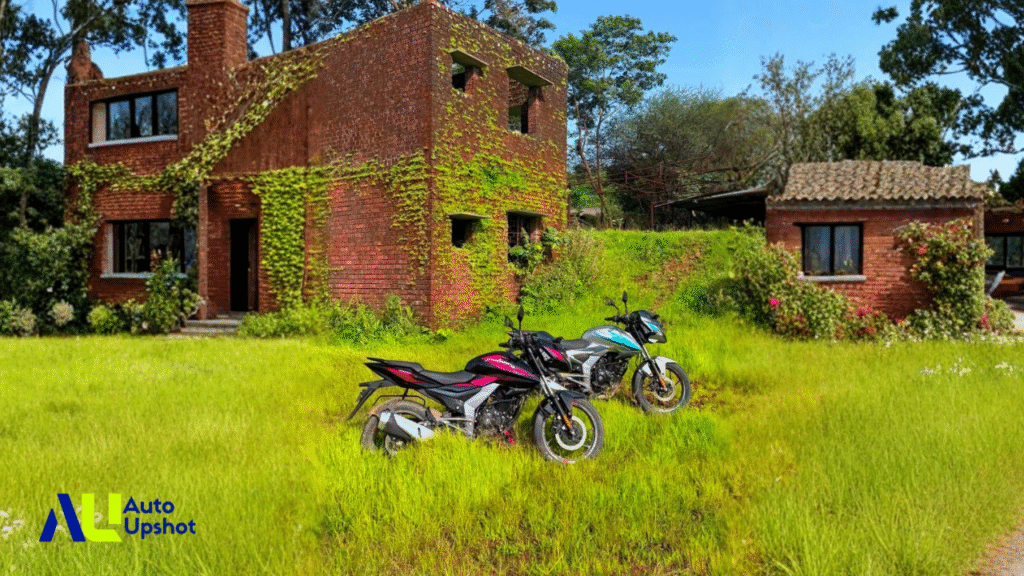
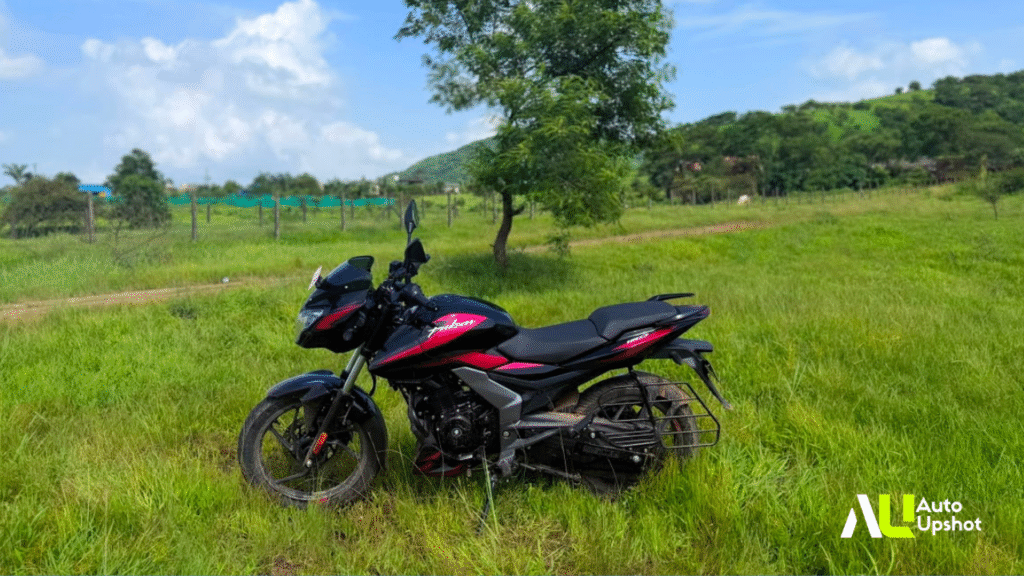
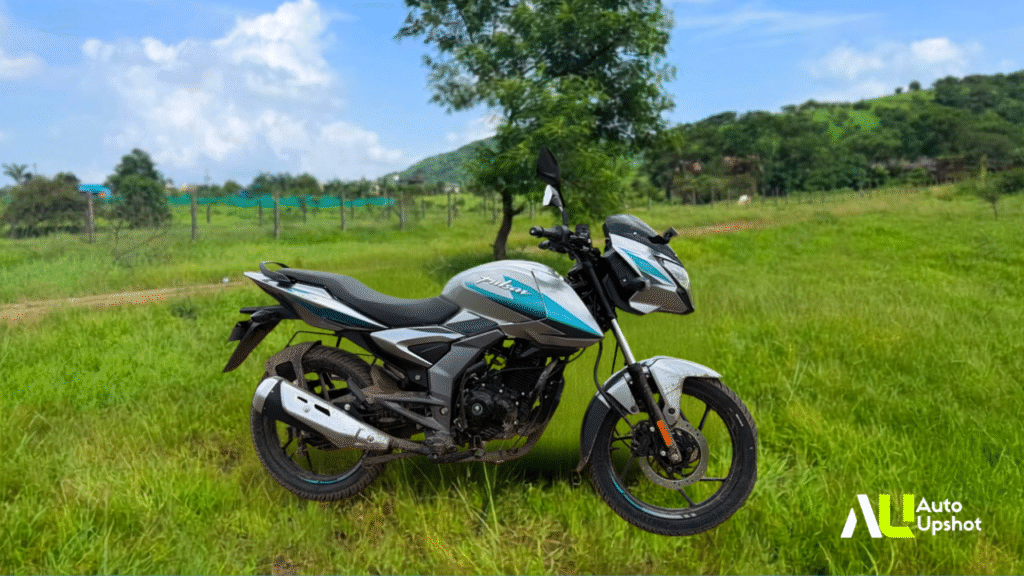
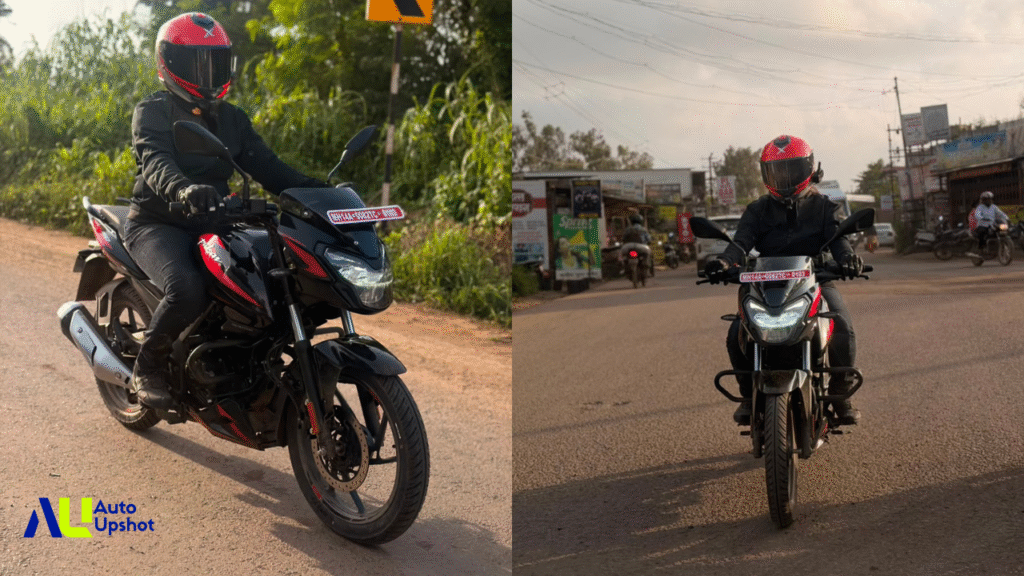
The company has retained the muscular character and familiar Pulsar identity instead of turning the new motorcycles into something completely different.
The new LED headlamp gets a redesigned Wolf Eye appearance with larger optics, giving the motorcycle a sharper look.
Basically, you can still tell that it is a Pulsar.
And honestly, that is probably the point.
How Practical Is It for Daily Use?
The new Pulsars are not only about performance.
The higher variants get ISG technology with automatic start-stop functionality, which is intended to improve fuel economy and make the riding experience smoother.
The variant sheet also shows features such as Type C USB connectivity and hazard lights on selected versions.
These small additions make the bikes feel better suited to everyday use.
Who Should Ride the New Pulsar 125 and 150?
The Pulsar 125 makes the most sense for riders looking for a practical everyday motorcycle that is easy to use in the city but still has the sporty Pulsar character.
With 12 PS and the new gearbox, it should also feel more lively than a typical commuter.
The Pulsar 150 is for riders who want a little more performance without giving up everyday usability. Its 149.5cc engine produces 14 PS and 13.7 Nm, giving it more performance headroom for quicker acceleration and longer rides.
Both bikes also make sense for riders who want the familiar Pulsar feel but now expect modern features like a TFT console, navigation, ride modes and Crawl Tech.
In simple terms, the 125 is the practical pick, while the 150 is for those who want a bit more excitement.
If you are looking for something more performance focused, you can also check out our Bajaj Pulsar NS400Z Reviewhttps://autoupshot.com/bajaj-pulsar-ns400z/
New Pulsar 150 and Pulsar 125 Price
Pulsar 125: ₹92,900 onwards
Pulsar 150: ₹1,15,233 onwards
Introductory ex-showroom Delhi prices
The price changes depending on the variant and equipment level, with the higher versions costing more.
AutoUpshot Opinion: Should You Consider the New Pulsar?
If you already like the Pulsar formula, this update makes a lot of sense.
The New Pulsar 150 and Pulsar 125 keep the familiar performance-focused identity but add the things that were missing from the older motorcycles, especially the monoshock, TFT console, navigation, ride modes and updated engine and gearbox.
What We Liked
- Familiar Pulsar character with a much more modern package
- New engine and gearbox
- Monoshock suspension
- 5-inch TFT with navigation and connectivity
- Road, Rain and Sport ride modes on applicable variants
- Crawl Tech for low-speed riding
- ISG start-stop technology on higher variants
- Sharper LED headlamp design
What Could Be Better
- Features vary considerably between variants
- The most desirable technology is available mainly on higher versions
- Buyers will need to choose the variant carefully
The New Pulsar 150 and Pulsar 125 bring the familiar Pulsar character into a much more modern package without trying to completely change what made these bikes popular.
For everyday riders, the Pulsar 125 makes more sense, while the Pulsar 150 adds that extra bit of performance.
After 25 years, this feels like a meaningful update to the Pulsar story.