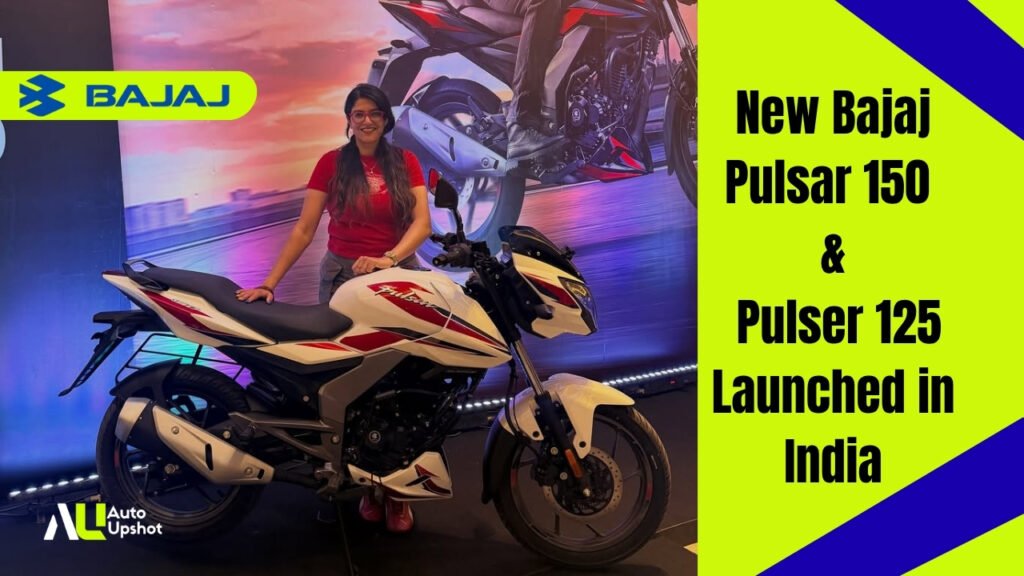

For a motorcycle brand that has been part of India’s performance motorcycling story for 25 years, simply adding new graphics would never have been enough. Bajaj Auto has marked the Pulsar’s 25th anniversary with a much more substantial update.
The new Bajaj Pulsar 150 and Pulsar 125 have been unveiled with new engines and gearboxes, a revised chassis, monoshock suspension, new technology and a sharper interpretation of the familiar Pulsar design. The introductory prices start at Rs 1,15,233 for the Pulsar 150 and Rs 92,900 for the Pulsar 125, both ex showroom Delhi.
The interesting part is that Bajaj has not tried to reinvent the Pulsar completely. Instead, it has retained the muscular character and road presence that made the motorcycle an icon while giving the mechanical package a significant modernisation.
Bajaj Pulsar 150 and Pulsar 125 Enter Their Next Generation
The Pulsar story began in 2001, when the original Pulsar 150 changed the way Indian buyers looked at performance motorcycles.
At a time when motorcycles were primarily seen as practical transportation, Pulsar brought performance, styling and attitude into the mainstream. Twenty five years later, the brand has crossed the 20 million sales milestone and has established a presence across international markets.
That history makes the latest update particularly important. The new Bajaj Pulsar 150 and Pulsar 125 are not merely anniversary editions. They represent a new generation of two of Bajaj’s longest running Pulsar nameplates.
New Engine and Gearbox
The biggest changes are hidden beneath the familiar Pulsar styling.
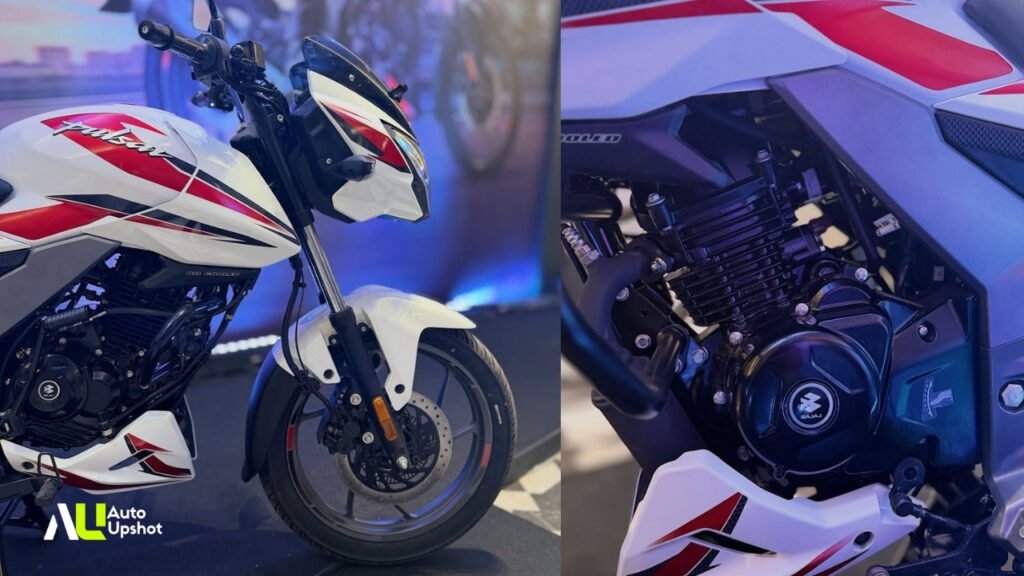
The new Pulsar 150 uses a 149.5cc engine producing 14 PS at 8,500 rpm and 13.7 Nm at 6,500 rpm. The Pulsar 125 gets a 124.58cc engine producing 12 PS at 8,000 rpm and 11 Nm at 6,000 rpm. �
Press Release – Bajaj Auto Celebrates 25 Years of Pulsar with the All-New Pulsar 150 and Pulsar 125.pdf
Bajaj has also introduced a new gearbox designed to improve tractive effort in the lower gears. The aim is simple: stronger low speed performance and quicker acceleration.
The improved power to weight ratio is another part of the package, with Bajaj claiming quicker 0 to 60 kmph acceleration compared with the previous generation.
Engine Specifications
| Specification | Pulsar 150 | Pulsar 125 |
| Engine | 149.5cc | 124.58cc |
| Maximum Power | 14 PS at 8,500 rpm | 12 PS at 8,000 rpm |
| Maximum Torque | 13.7 Nm at 6,500 rpm | 11 Nm at 6,000 rpm |
| Gearbox | New gearbox | New gearbox |
New Diamond Type Frame and Monoshock
The chassis has received an equally significant overhaul.
The Bajaj Pulsar 150 and Pulsar 125 now use a new diamond-type frame designed with greater stiffness.
Press Release – Bajaj Auto Celebrates 25 Years of Pulsar with the All-New Pulsar 150 and Pulsar 125.pdf
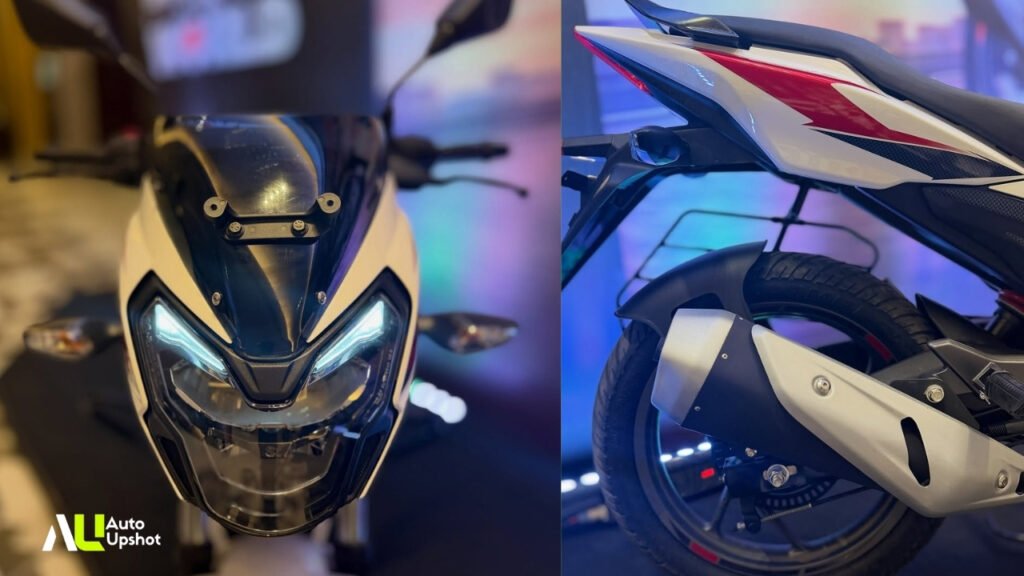
At the rear, both motorcycles now feature a nitrogen-gas-charged emulsion-type monoshock.
This is a notable change from the traditional twin shock arrangement associated with the older Pulsar 150 and Pulsar 125. The new setup is intended to deliver better straight-line stability, cornering composure, and a sportier riding experience.
5 Inch TFT Display Brings Connected Features
One of the biggest surprises with the new Bajaj Pulsar 150 and Pulsar 125 is the amount of technology now available on the motorcycles.
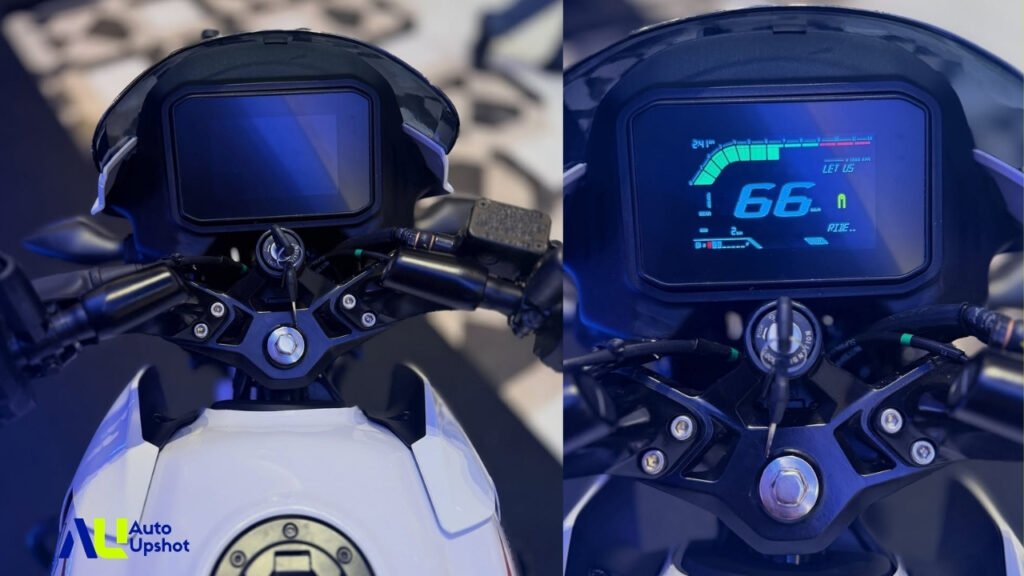
Higher variants feature a new 5-inch TFT console with Google Maps mirroring and navigation. Riders can also store important vehicle documents such as the RC and insurance information on the display.
The connected system also provides live call and message alerts along with music controls. �
Press Release – Bajaj Auto Celebrates 25 Years of Pulsar with the All-New Pulsar 150 and Pulsar 125.pdf
This is a significant shift for motorcycles that have traditionally focused primarily on straightforward performance and affordability.
Three Riding Modes and Crawl Tech
Bajaj has also introduced three riding modes on the new motorcycles.
They include:
- Road
- Rain
- Sport
The new Crawl Tech is designed to make low speed riding easier, particularly in traffic. It adds another layer of control and convenience for riders who spend a significant amount of time navigating congested urban roads.
The combination of riding modes and Crawl Tech gives the updated Pulsars a broader operating range. They can be used as everyday commuters while retaining the performance character associated with the name.
Sharper Wolf Eye LED Headlamp
The design remains unmistakably Pulsar, but there are several important updates.
The motorcycles get a redesigned Wolf Eye headlamp with larger optics and a sharper appearance. Bajaj says the top variant of the Pulsar 150 offers best-in-class throw, spread and intensity.
The overall silhouette continues to revolve around the muscular tank and familiar Pulsar stance. This was a deliberate decision because the design is an important part of the motorcycle’s identity.
Rather than starting from scratch, Bajaj has modernised the Pulsar while keeping the visual cues that generations of riders recognise.
Automatic Start Stop Technology
The new motorcycles also receive an ISG system on the top three variants of both models.
The automatic start stop system is designed to help improve fuel economy by switching the engine off during suitable conditions and restarting it when required.
Bajaj also says the system reduces mechanical complexity and contributes to a smoother and more refined riding experience.
For daily commuters, this could be one of the more useful additions to the new Pulsar package.
25 Years of the Pulsar Legacy
The timing of this update is significant.
Since 2001, Pulsar has grown from a single motorcycle into an international performance motorcycle family. Bajaj says more than 20 million Pulsar motorcycles have been sold over the past 25 years, with the brand expanding beyond India into global markets.
The brand’s journey has also included motorcycles across multiple engine capacities and riding categories.
That makes the latest Bajaj Pulsar 150 and Pulsar 125 important not just as new products, but as the latest interpretation of the original Pulsar philosophy.
What Has Changed From the Previous Generation?
The update is extensive.
The new motorcycles receive:
- New engine
- New gearbox
- New diamond-type frame
- New monoshock rear suspension
- New 5-inch TFT console on higher variants
- Google Maps navigation and mirroring
- Three riding modes
- Crawl Tech
- Redesigned LED headlamp
- Automatic start-stop technology
- Updated design and equipment
Industry reports also confirm that the new generation motorcycles bring mechanical, cosmetic and technology changes rather than being a simple facelift.
Pricing
Bajaj Auto has introduced the new Pulsar range at the following introductory prices:
| Motorcycle | Introductory Ex-Showroom Delhi Price |
| Pulsar 125 | Rs 92,900 |
| Pulsar 150 | Rs 1,15,233 |
The Pulsar 150 range extends to higher-priced variants, with the top specification reported at around Rs 1.23 lakh ex-showroom Delhi.
A Familiar Pulsar With a More Modern Personality
What makes the new Bajaj Pulsar 150 and Pulsar 125 interesting is the balance between familiarity and change.
Bajaj has kept the muscular design, road presence and performance-focused character that have defined the Pulsar for decades. At the same time, the company has completely reworked the areas that matter to today’s riders, including the chassis, suspension, connectivity and everyday technology.
The addition of Google Maps, riding modes, Crawl Tech and automatic start-stop technology shows how far the entry and mid-capacity motorcycle segment has moved.
Bajaj Pulsar 150 and Pulsar 125 Mark the Start of the Next 25 Years
The new Bajaj Pulsar 150 and Pulsar 125 arrive at a significant moment for Bajaj Auto.
Twenty-five years ago, Pulsar helped redefine what Indian riders expected from an affordable performance motorcycle. Today, the latest generation aims to carry that same spirit into a market where riders increasingly expect technology, connectivity and refinement alongside performance.
The challenge for Bajaj was not to make the Pulsar unrecognisable. It was to make the familiar motorcycle relevant for another generation.
With new engines, a new frame, monoshock suspension, connected technology, riding modes and a more sophisticated cockpit, the Bajaj Pulsar 150 and Pulsar 125 look ready to begin the next chapter of a story that started back in 2001.
And perhaps that is the most fitting way to celebrate 25 years of Pulsar: keep the attitude, but evolve everything around it.